Your Local Earth Friendly Pest Control Company

Pest Gallery
Welcome to Armor Pest Control's comprehensive Pest Gallery, your essential resource for identifying common invaders in and around Baltimore homes. Knowing your enemy is the first step in effective pest management. Here, you can visually explore various insects, rodents, and nuisance wildlife, understanding what they look like and why they might be lurking. Simply click on any pest's image to explore specific facts, signs of infestation, and the risks they pose to your property and peace of mind.
Insects
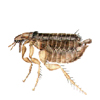
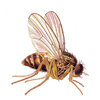
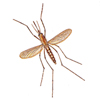
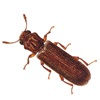
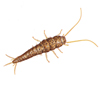
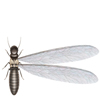
No other group of land animals has more members than the class Insecta. More than 900,000 species exist and additional species are identified every day. Simply click on the thumbnails to learn facts about some insects that are most commonly found in the home.
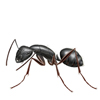
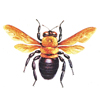
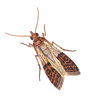
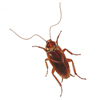
Rodents & Nuisance Wildlife
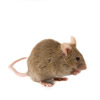
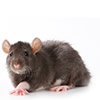
Simply click on the thumbnails to learn facts about some rodents that are most commonly found in and around the home.


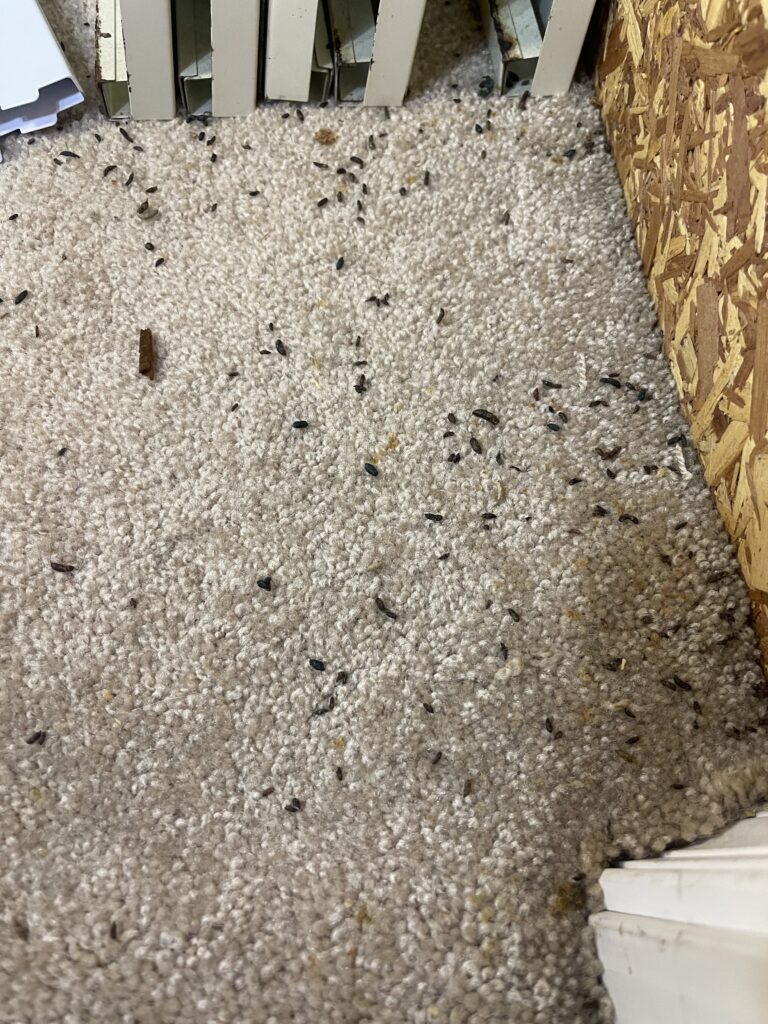
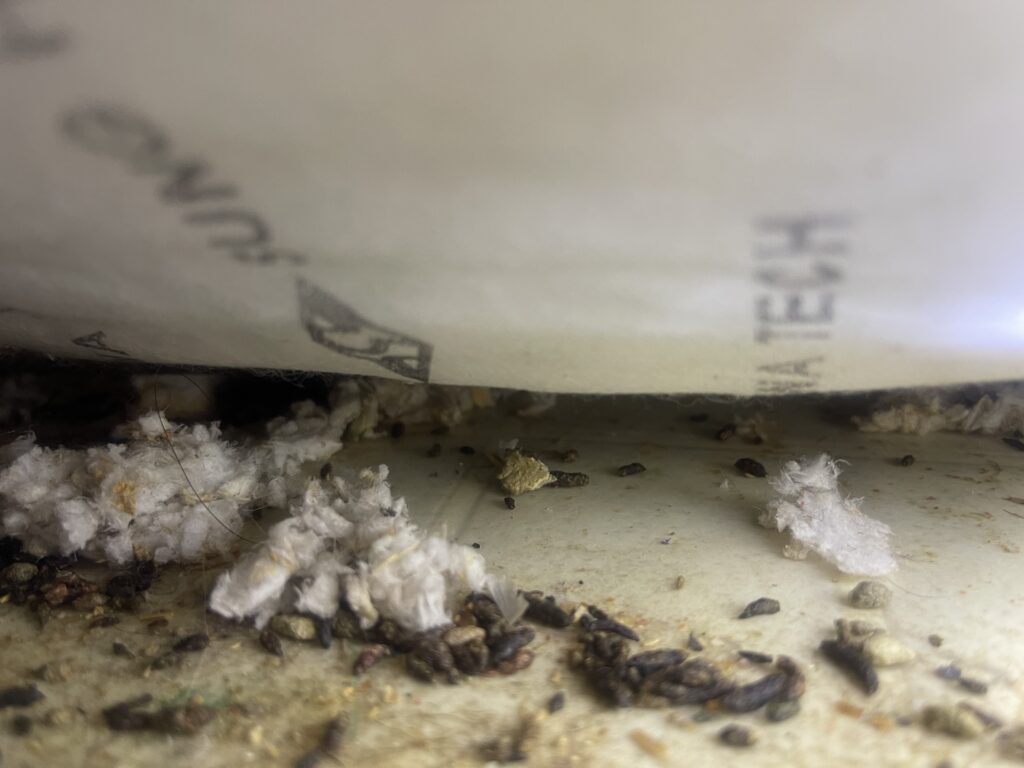
Droppings:
Pest droppings are often the most common and definitive sign of an infestation. The size, shape, and location of droppings can help identify the type of pest. For instance, mouse droppings are small and pellet-like, while rat droppings are larger and capsule-shaped. Cockroach droppings resemble coffee grounds or black pepper.

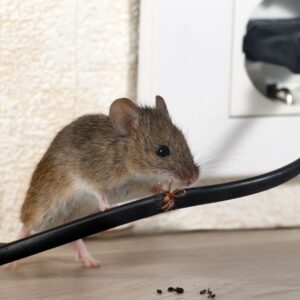
Gnaw Marks:
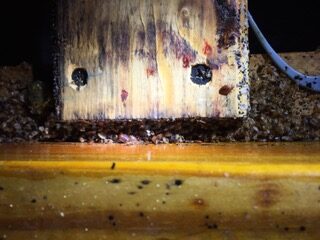
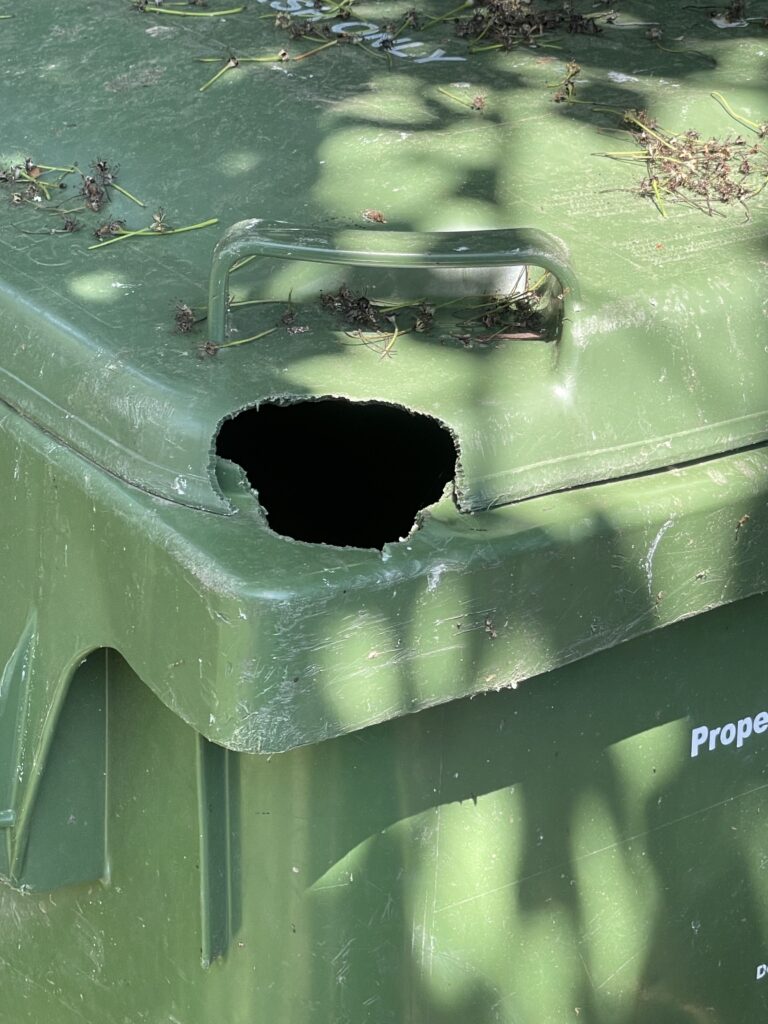
Rodents (mice, rats, squirrels) constantly gnaw to keep their teeth from overgrowing. Look for small, parallel grooves on wood (baseboards, door frames, furniture), plastic pipes, electrical wiring, food packaging, and even books. These marks can indicate active rodent pathways or feeding areas, posing a significant fire hazard if electrical wires are compromised.
Sounds:
Many pests are nocturnal, meaning they are most active at night. Listen for unexplained noises coming from your walls, ceilings, attic, or crawl spaces during quiet hours. This could include:
- Scurrying or Scratching: Often indicative of rodents or larger insects moving within confined spaces.
- Chewing or Gnawing: Sounds of wood being gnawed by termites or carpenter ants, or the softer chewing sounds of rodents.
- Buzzing or Tapping: Certain insects, like carpenter bees or some beetles, can produce distinct tapping or buzzing sounds.


Unusual Odors:
Many pests produce distinct, unpleasant odors.
- Musty/Ammonia-like: A strong, musky, or ammonia-like smell often indicates a significant rodent infestation due to their urine.
- Sweet/Foul: Some insects, like bed bugs, can produce a sickly sweet or musty odor. Crushed odorous house ants emit a smell often described as rotten coconut.
Gallery